
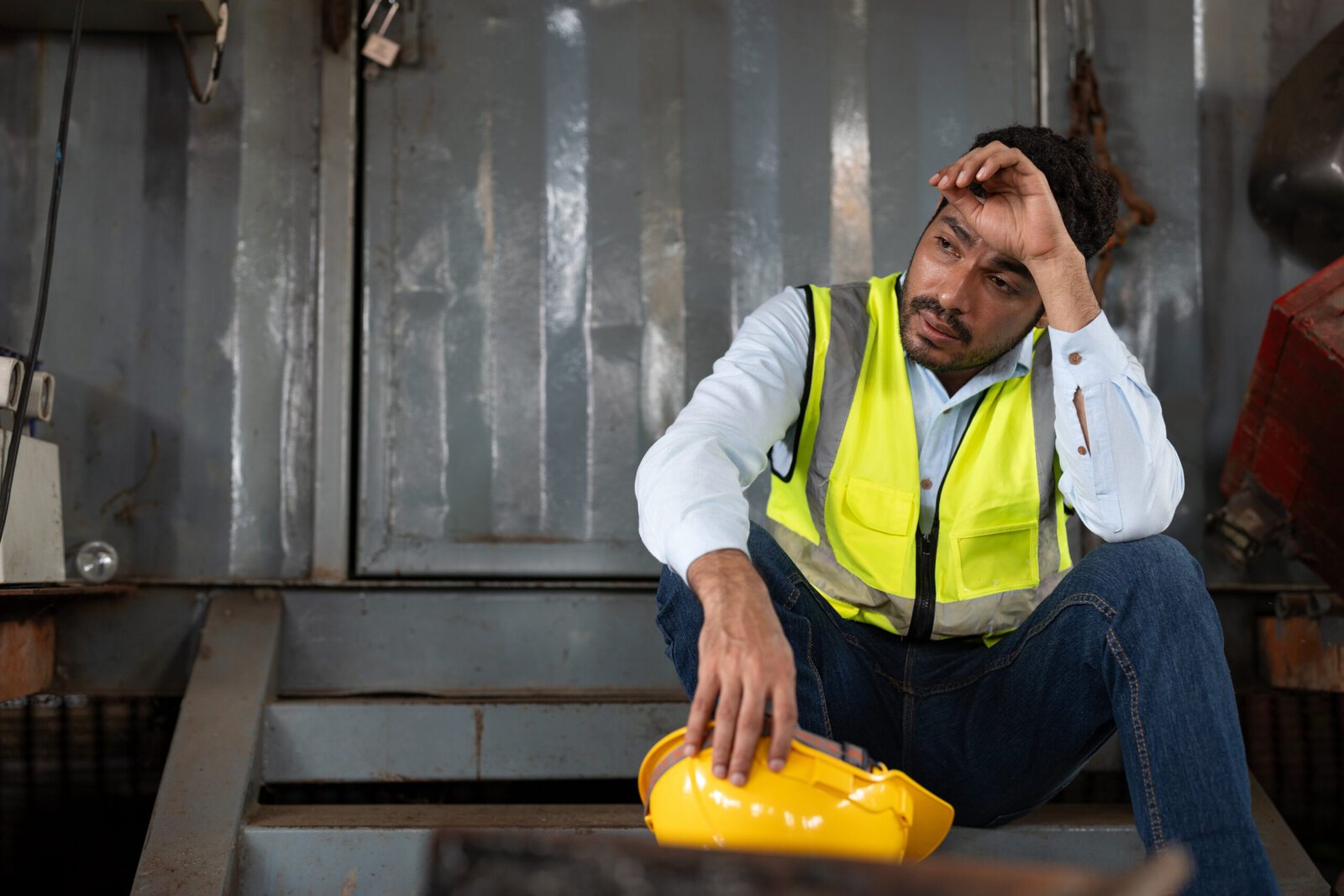
Somewhere around question 70 of the Law and Business exam, something strange happens. The words on the screen stop feeling like sentences and start feeling like noise. You read a question about mechanic’s liens 3 times and still cannot tell what it is asking. Nothing about your knowledge has changed in the last 15 minutes. Your brain has simply run out of fuel, and if your trade exam appointment starts 90 minutes later that same afternoon, you are about to walk into it running on empty.
This is one of the least discussed risks in the California licensing process, and it costs capable contractors a passing score more often than gaps in knowledge do.
Why Back-to-Back Testing Feels Harder Than It Looks
Most first-time applicants must pass 2 separate exams: the Law and Business exam and a trade exam tied to the classification they are applying for, with C-61 Limited Specialty applicants generally not taking a trade exam. Once CSLB accepts your application and sends the Notice to Schedule, you self-schedule each exam through PSI, and each carries its own fee. CSLB confirms these can be booked on the same day or on different days, entirely at your preference.
That flexibility is where the trouble starts. CSLB allots 3.5 hours (210 minutes) for each exam, and both are closed-book, computer-based, and multiple-choice with 4 answer choices and one best answer. Stacked together, that is potentially 7 hours of high-stakes concentration in a quiet room with no reference materials, no phone, and no jobsite movement to reset your head. Contractors who spend their days walking a site and solving problems physically are often the least conditioned for that kind of stillness.
The Misconception That Hurts People Most
Many applicants assume booking both exams on the same day is the efficient, disciplined choice. It saves a drive, saves a day off the calendar, and feels like getting it over with. That logic makes sense for scheduling and makes very little sense for performance.
The second exam is the one that suffers, and it is usually the one that matters more to your practical future, because your classification determines what work you can legally contract for. A tired candidate does not forget facts; they misread qualifiers like “except,” skip the second half of a long question, and start second-guessing answers they were right about the first time.
The other misconception is that a failure is a small setback. There is an 18-day waiting period before you can retest, plus scheduling availability on top of it, which can easily turn a single tired afternoon into another month of waiting.
Practical Ways to Protect Your Stamina
The strongest move is often the simplest: separate the 2 appointments by several days if PSI availability allows it, particularly if you have been studying while running active jobs. You have an 18-month eligibility window from application acceptance, so there is rarely a real reason to compress everything into one morning.
If you do test back-to-back, treat the gap between appointments as part of the exam rather than downtime. Eat something real, get outside, and avoid reviewing notes in the parking lot, because last-minute cramming raises anxiety without adding retention. PSI centers in California operate during normal working hours 6 days a week, so a morning slot generally gives you better energy than a late-afternoon one.
In your study weeks, practice in full 3-hour blocks instead of 30-minute bursts. Endurance is a trainable skill, and sitting a timed practice exam without your phone nearby teaches your attention to hold in ways that flashcards never will.
The Takeaway
Preparation gets you ready to know the answers. Managing fatigue is what lets you access what you already know when it counts. Plan your testing days with the same care you would bring to sequencing a build, and let your knowledge, not your endurance, decide the outcome.