
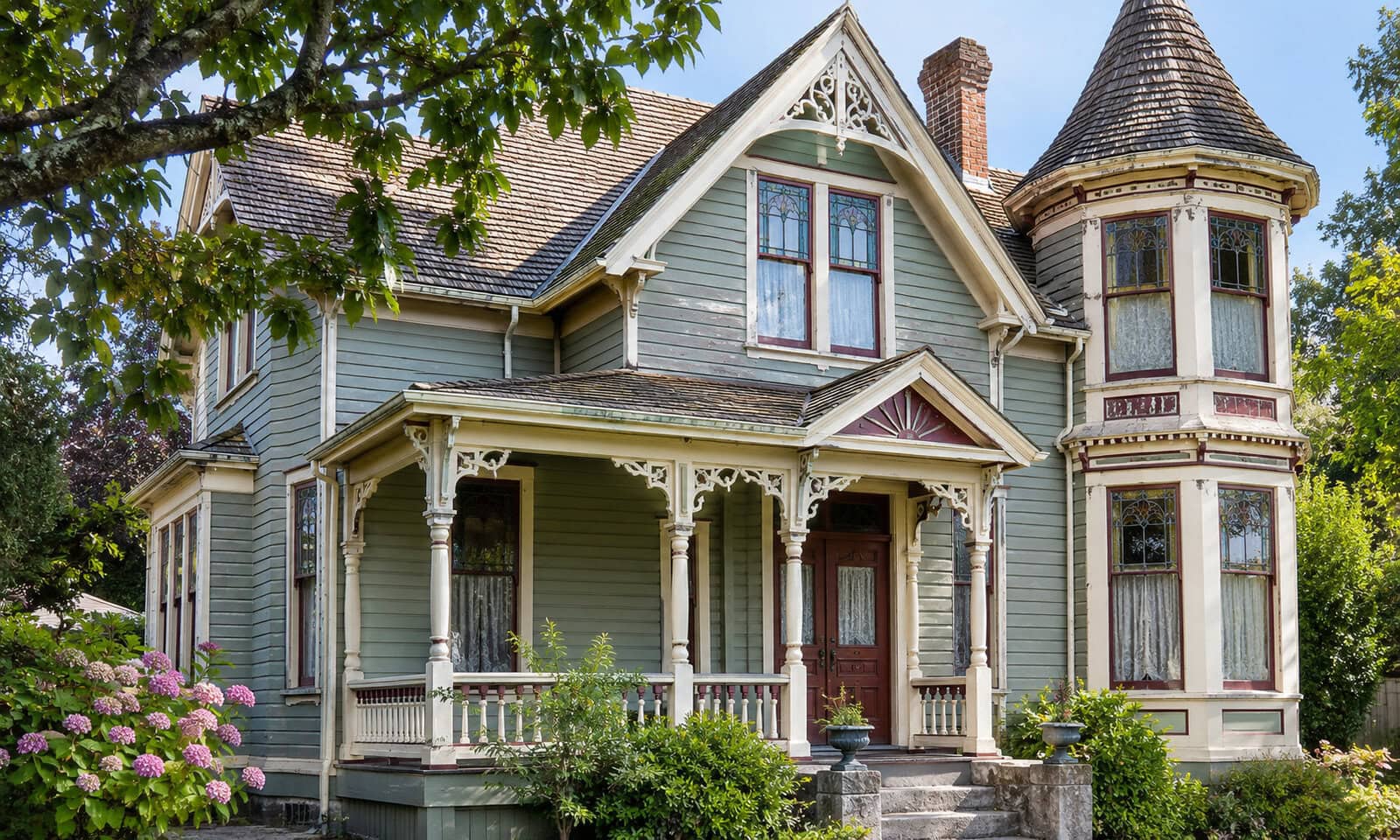
The first historic home you renovate will teach you a lesson no book or course can: these projects reward patience and punish assumptions. A 1920s bungalow in Pasadena or a Victorian in San Francisco looks like any other remodel on paper, until you discover that the paint, the windows, and even the paperwork answer to a different set of rules. Contractors who understand this before they bid tend to build strong reputations in a niche where clients are loyal, and referrals are frequent.
Your License Scope Still Comes First
Before anything else, remember why you are licensed the way you are. In California, a contractor’s license is required when a project needs a building permit, uses workers, or involves contracts of $1,000 or more (total labor and materials). The exam you are preparing for tests the law and business knowledge behind that system, and it applies fully to historic work. If the job involves asbestos abatement on 100 square feet or more of surface area, that work requires the proper asbestos certification; if the scope involves lead-related work, California has its own certification requirements. Taking on work outside your classification is one of the fastest routes to a CSLB complaint, and historic homes offer many chances to stumble into that trap.
Old Paint and Old Materials Carry Legal Weight
Most historic homes predate 1978, which means lead-based paint is presumed present unless a state-certified Lead Inspector or Risk Assessor has documented otherwise. California does not allow renovation contractors to test paint themselves; you must assume surfaces contain lead and follow lead-safe work practices, with EPA firm certification and a certified renovator on site. Asbestos deserves the same caution. Before demolition or renovation, the property should be surveyed by a California Certified Asbestos Consultant, and regulated materials must be abated by a properly certified contractor. These steps cost money and time, and smart contractors build them into the bid rather than absorbing them mid-project.
Historic Buildings Follow an Alternative Code
Here is the part many new contractors miss: California has an entire building code just for these buildings. The California Historical Building Code, Part 8 of Title 24, provides alternative standards for qualified historic structures. It exists to preserve original architectural elements while keeping occupants safe, and it can allow solutions that the regular code would reject. On the other hand, many cities layer local review on top, requiring a Certificate of Appropriateness for visible exterior changes like windows, roofing, or paint colors. Learn the local process early, because approvals can shape the schedule and the budget before a single nail is pulled.
The Takeaway
Renovating historic homes in California is not harder work; it is different work. Verify your classification fits the scope, respect the lead and asbestos rules that attach to pre-1978 buildings, and learn the historical code path before you estimate. Contractors who treat the first historic project as an education, rather than a quick job, walk away with the skills that make the second one profitable.