
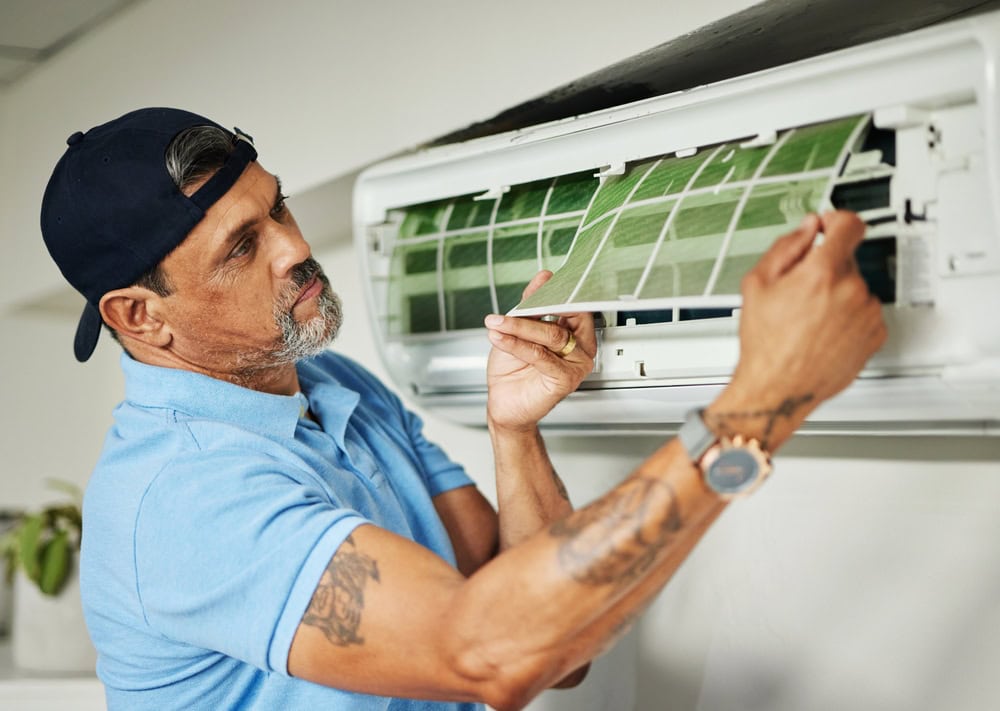
Contractors sitting for the California license exam in 2026 will face a very different air-quality landscape than applicants just a few years ago. The big trend is clear: the state is tightening building energy and indoor air quality rules while pushing hard toward all-electric and zero-emission systems in new construction.
Why 2026 Is A Turning Point
Beginning January 1, 2026, updated Building Energy Efficiency Standards (Title 24) take effect, raising the bar for how HVAC systems are designed, sized and commissioned in both residential and commercial projects. At the same time, California’s broader building decarbonization strategy and CALGreen updates are aimed at phasing out on-site fossil fuel use in new residential buildings and improving indoor air quality.
For an exam candidate, this means air quality is no longer just a health-and-safety footnote. Expect questions that connect energy efficiency, ventilation, and emissions controls to real jobsite decisions: which equipment you select, how you vent combustion appliances (if allowed at all), and how you coordinate with inspectors verifying compliance.
HVAC: From “Nice-To-Have” Efficiency To Required Clean Air
For HVAC contractors, 2026 continues and accelerates a shift toward high-efficiency electric systems and stricter ventilation controls. Title 24’s 2025/2026 cycle makes heat pumps the prescriptive default for residential space conditioning statewide, meaning that if you choose gas heat you are essentially opting into a performance path with more documentation and modeling. Nonresidential standards add new prescriptive requirements like mechanical heat recovery and tighter efficiency rules for cooling towers and small packaged units, which will show up as design and retrofit constraints on plan sets and spec sheets.
On the indoor air quality side, ventilation requirements are tightening. Demand-controlled ventilation must maintain carbon dioxide levels within a set margin above outdoor ambient, and mechanical ventilation systems must now satisfy more detailed rules on outdoor air intake locations, filter accessibility, and service clearances. For exam prep, imagine a test question that walks you through sizing a heat pump for a new home, then asks where to locate the outdoor air intake to avoid contamination sources and how to document HERS or other third-party verification of refrigerant charge and airflow.
Plumbing: Combustion, Venting, And The Move To All-Electric
Plumbing contractors often think of air quality only when roughing in flues and combustion air openings, but the state’s push toward zero-emission residential new construction by 2026 directly affects gas piping and venting scope. As agencies move to require or strongly favor all-electric space and water heating in new homes, many new projects will skip gas distribution entirely, shifting design work toward electric heat pump water heaters and their condensate management and ventilation needs.
Where gas appliances remain, venting details matter more than ever because regulators see combustion vents as both a safety and air-quality issue. Mis-sized draft hoods, inadequate clearances to openings, or improper terminations can contribute to indoor pollutants like nitrogen dioxide and carbon monoxide escaping into occupied spaces, and inspectors are increasingly trained to flag these details. In exam scenarios, expect questions that test whether you understand when combustion air is required from outdoors, how to route Category IV vents to protect indoor air, and when a design must be revised toward sealed-combustion or electric equipment to meet current codes.
Electrical: Supporting Heat Pumps, Ventilation And Compliance
Electrical contractors are at the center of California’s building decarbonization strategy because electrification of heating, cooling and domestic hot water drives significant changes in load calculations and panel design. As heat pumps become the default in new residential construction and expand in commercial projects, service upgrades, dedicated circuits, and smart controls all become part of the standard design conversation rather than “extras.”
Air quality rules also intersect with electrical work through control systems and IAQ equipment. Demand-controlled ventilation uses carbon dioxide sensors and programmable controls that must be wired, powered, and often integrated into building automation systems to keep indoor levels within allowable limits. Exam items can tie these concepts together by asking, for example, how to lay out circuits for an ERV/HRV, what type of disconnect is required for a rooftop heat pump serving a high-ventilation area, or how to coordinate with Title 24 controls requirements so that setback, lockout, and fan-speed logic all support both energy and IAQ goals.
What This Means For Your Exam Prep
From a contractor school perspective, 2026 is the year where “air quality” stops being an isolated code topic and becomes a thread connecting HVAC, plumbing, and electrical questions across both the trade and Law & Business exams. You are likely to see scenarios that blend energy code, CALGreen concepts, ventilation strategies, and emissions reduction goals, then ask you to choose the option that protects public health, meets Title 24, and aligns with current decarbonization policy.
The most effective way to prepare is to treat air quality regulations as part of everyday job planning instead of abstract rules. When you review practice questions, consciously ask, “How would this decision affect indoor air, outdoor emissions, and code compliance in 2026?” That mindset will not only help you pass the exam; it will position you as the contractor who can explain to clients why the inspector cares about CO2 sensors, why a heat pump shows up on every new-home plan, and why venting and wiring details are now central to California’s broader air quality goals.