
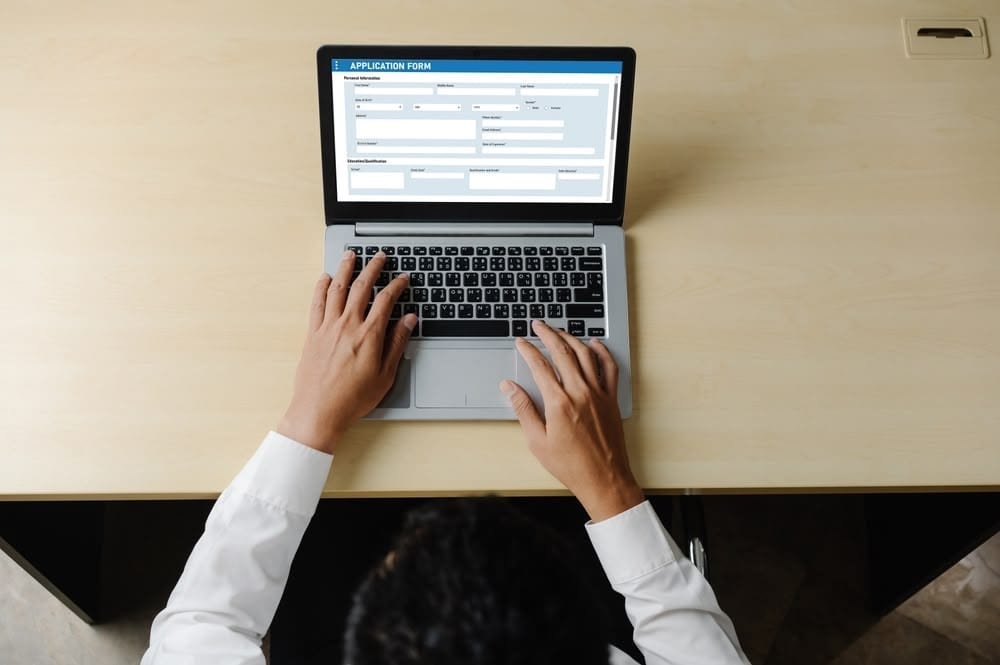
Most California contractors underestimate how long the CSLB application process really takes. Realistically, for most applicants in 2026, you should plan on roughly six to nine months from serious preparation to an active license, even if individual steps move faster.
Why The Timeline Matters More Than You Think
If you are used to jobsite schedules, it is tempting to back into a date and assume your license will be ready by then. In practice, the CSLB process has multiple stages that you do not fully control. One slow step, like a background review or missing document, can add weeks at the exact moment you were counting on starting a project legally.
Understanding the real timeline helps you plan cash flow, choose start dates honestly, and avoid putting yourself in a position where you are tempted to work over the legal limit while you “wait for the license to come in.” The contractors who plan for a longer, realistic timeline usually feel less stressed and make better early career decisions.
Stage One: Preparing And Submitting A Clean Application
Before CSLB ever sees your paperwork, there is the time you spend gathering experience documentation, checking your trade classification, and completing the application for a contractor license. For many people already working full-time, this alone can take two to four weeks if you factor in tracking down employment records, reference signatures, and business information.
Once your application arrives, CSLB’s posted processing times show that it typically takes about four to six weeks to issue an acknowledgment letter on current files. That acknowledgment gives you your application fee number and personal identification number and confirms that your packet is in the system. If your application is incomplete or has experience issues, it can be sent for further review or “processing action,” which may add several more weeks while CSLB waits for your corrections.
This is why experienced applicants slow down at the beginning. A clean, accurate application with clear experience descriptions usually moves on to exam eligibility faster than a rushed packet that triggers questions.
Stage Two: Exam Eligibility, Scheduling, And Passing
Once CSLB accepts your application and posts it, you become eligible to test and are referred to exam scheduling. As of 2025, exam fees are paid directly to PSI, not through CSLB. You receive a notice to schedule, then create or use your PSI account and pick your exam date, time, and location.
In normal conditions, many contractors can find exam dates within a few weeks, although availability varies by location and season. Most people need at least several weeks of focused study for the Law and Business exam and their trade exam, so you should factor in realistic study time instead of booking the soonest possible date just to “get it over with.”
If you do not pass on the first attempt, current rules require a 21 day waiting period before you can reschedule and pay the re-examination fee through PSI. That single retake can push your overall licensing timeline back by another month or more, especially if you need extra time to study.
Stage Three: Fingerprinting, Background Review, And Final Issuance
After your application is accepted, CSLB will send you instructions for fingerprinting, usually through Live Scan if you live in California. The fingerprint appointment itself is quick, often less than ten minutes, but the background check relies on processing by the Department of Justice and the FBI. Most Live Scan results are returned to CSLB within about a week, although the state Department of Justice notes that transactions can take longer if there is a possible match to an existing record.
If your record is clear, the background step may not add much visible time. If you have prior criminal history or your prints need manual review, the background unit review can add several weeks while technicians evaluate your record and CSLB decides whether any additional information or documentation is required.
After you pass your exams and clear fingerprinting, you still must meet issuance requirements such as filing your contractor bond and, when applicable, workers’ compensation insurance. Once all issuance items are received and accepted, CSLB typically activates the license within a couple of weeks. Many practical guides now estimate roughly three to four months from application submission to active license for straightforward cases, and closer to six to nine months when you include preparation, study time, and any delays.
How To Plan Your Career Around The Real Timeline
If you accept that the full journey is likely a half year or more, you can make smarter choices about work and training. For example, you might schedule your heaviest study time during a slower season, or you might stay as an employee a little longer instead of committing to large jobs that assume you will be licensed “any day now.”
Treat each stage as part of your professional development rather than just bureaucracy. Completing a clean application forces you to clarify your classification and business structure. Studying for the Law and Business exam introduces you to California contract rules, liens, and employment law that will protect you later. Navigating fingerprinting and background review teaches you how seriously the state takes consumer protection.
The main takeaway is that the CSLB application process is not quick, and that is not a bad thing. If you plan for several months instead of several weeks, respect each stage of the process, and avoid building your business plan on best-case timelines, you will arrive at your California contractor license with less stress and a stronger foundation for the work that comes after.