
Knowing your trade-specific pathway matter when you are serious about building a long-term roofing career in California, and the C‑39 license is the key that unlocks that path. From the perspective of a contractor prep school, the goal is not just to help you “pass a test,” but to help you step confidently into the role of a professional roofing contractor in 2025 and beyond.
What the C‑39 Roofing License Really Covers
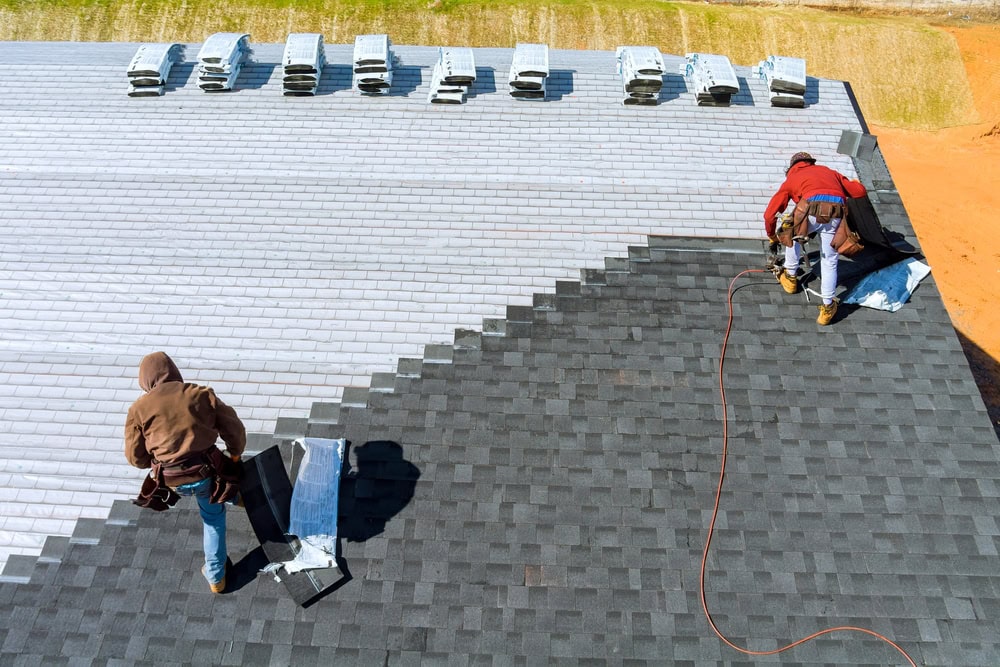
The C‑39 license is the state’s way of saying you are qualified to install, repair, and maintain roofs that keep water, wind, and weather out of a structure. That includes everything from low‑slope commercial membranes to steep‑slope shingle, tile, and metal roofing systems, plus the flashing, underlayment, and waterproofing details that make or break a system.
In practical terms, if you are taking on roofing jobs where labor and materials add up to more than 500 dollars, you are legally required to hold a C‑39 license in California. That license is issued by the Contractors State License Board (CSLB) and is specific to California, so you cannot transfer it to other states, even though it builds strong credibility anywhere you work.
Step 1: Make Sure You Qualify
As a prep school, one of the first conversations with future roofers is about timing: when are you actually ready to apply? To sit for the C‑39 exams, you must be at least 18 years old, have a Social Security number or ITIN, and show at least four years of roofing experience within the last ten years. That experience must be at journeyman level or higher, meaning you can run the work without direct supervision or have supervised others as a foreman, supervisor, contractor, or qualified owner‑builder.
In class, this often turns into a paperwork strategy session. A roofer who has bounced between crews for years may have the hands‑on skills but no neat resume. The real task is lining up a qualifying person (an employer, foreman, or inspector) who can verify those four years on the CSLB forms. Getting this right on the first application saves months of delay and keeps your momentum going toward the exam date.
Step 2: Navigate the Application and Exams
Once you know you qualify, the next hurdle is the state application itself, which many students find more intimidating than the testing. You will complete the “Application for Original Contractor License,” select C‑39 Roofing as your classification, and submit your experience details, fees, and fingerprints for the background check. From a school’s perspective, this is where guided checklists and one‑on‑one review sessions prevent the small errors like missing signatures, unclear dates, wrong classification codes, that commonly trigger CSLB rejection letters.
When the CSLB approves your application, you will be scheduled for two exams: the Law and Business exam and the C‑39 Roofing trade exam. The Law and Business test covers contracts, liens, employment rules, job costing, and risk management, giving you the foundation to run a compliant roofing business, not just lay shingles. The C‑39 trade exam is divided into planning and estimating, job site preparation, low‑slope roofs, steep‑slope roofs, and safety. Essentially the full life cycle of a roof project from first measurement to final cleanup and fall‑protection protocols.
Step 3: Train Like a Roofing Professional
This is where a dedicated prep program earns its keep. The C‑39 exam is multiple‑choice and closed‑book, but the questions assume you know how roofs actually fail, how to sequence work safely, and how to calculate materials and waste accurately. In a solid prep course, the study plan mirrors the CSLB content outline: estimating and takeoffs, tear‑offs and substrate repairs, low‑slope systems, steep‑slope systems, ventilation and flashing, and safety regulations.
A typical student might come in strong on field skills but weak on code language and math. Practice exams, timed drills, and instructor walk‑throughs help you move from “I know this in the field” to “I recognize the best answer under pressure.” For example, instead of eyeballing squares, you will work through roof area calculations and waste factors until they are automatic, and instead of just knowing how to tie off, you will recognize how safety regulations are framed in test questions.
Step 4: Activate Your License and Plan Your Path
Passing both exams is a milestone, but it is not the finish line. To actually activate your C‑39 license, you must secure a contractor’s bond (currently 25,000 dollars statewide), meet any workers’ compensation requirements, and finalize your license issuance with the CSLB. Many new licensees opt to carry general liability insurance as well, especially in roofing, where jobsite risk and homeowner expectations are both high.
From there, the trade‑specific pathways open up quickly. Some roofers stay focused on residential re‑roof and repair, others move toward low‑slope commercial systems, and many begin adding solar coordination or waterproofing specialties as their businesses grow. In a prep‑school setting, the conversation shifts from “How do I pass?” to “How do I position this license?” Building a business plan, tightening up contracts, and developing a marketing strategy that highlights your C‑39 classification are marks of professionalism.
A Clear, Professional Route into Roofing
Earning your C‑39 roofing license in 2025 is not just about checking state requirements off a list; it is about stepping into the role of a licensed professional who understands both the craft and the business. With the right guidance on qualifying experience, a carefully prepared application, targeted exam prep, and a post‑license business plan, you can turn years on the roof into a stable, scalable career as a California roofing contractor.