
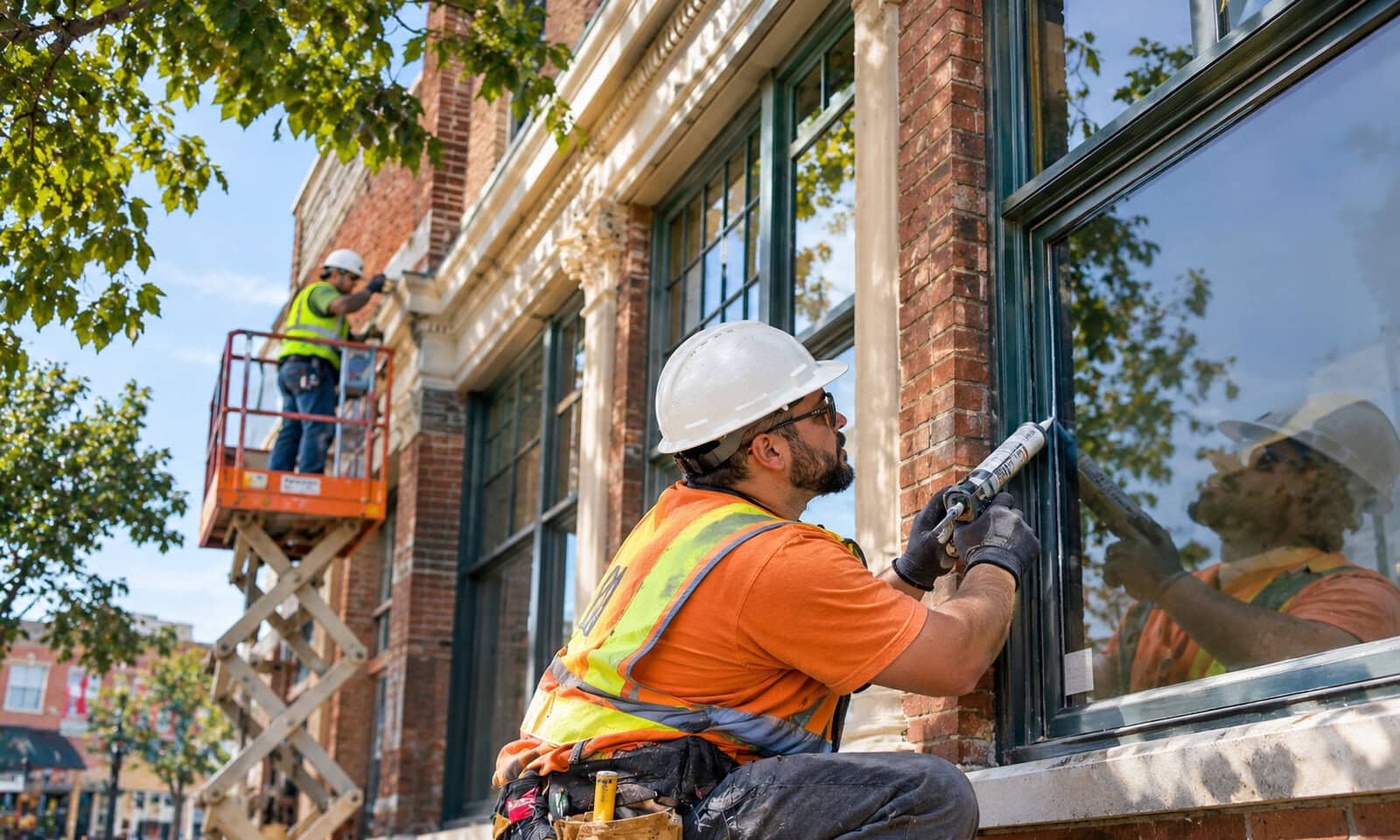
Most of the buildings contractors will work on over the next decade already exist. They were designed decades ago, when energy was cheap, and efficiency standards barely registered. Now California is pushing its older housing stock and commercial buildings toward modern performance, and that push is creating steady, repeatable work for contractors who understand the rules.
Old Buildings Now Carry New Rules
The 2025 Energy Code took effect on January 1, 2026, and permit applications submitted after that date must meet it. The Energy Code reaches beyond new construction. It applies to alterations and additions to existing homes and businesses, and it gets updated every 3 years. If you replace a water heater, upgrade an HVAC system, or add insulation to an attic in an older building, you are working under current energy rules, not the ones in force when the building was constructed. New contractors often assume the code only matters on new builds. That assumption causes failed inspections and rework.
The Work Shows Up as Replacement Projects
Much of the retrofit work arriving now comes from replacing equipment that has reached the end of its service life. Under the 2025 code, certain rooftop HVAC replacements in existing retail stores, schools, small offices, and libraries must use high-efficiency systems, including heat pumps. Cities such as Palo Alto and Menlo Park have also adopted local reach codes that add efficiency requirements to alterations of existing single-family homes. Each replacement is a chance to do the insulation, ductwork, and electrical work correctly the first time.
Incentives Are Driving Customer Demand
Homeowners are not waiting for codes to force their hand. Programs such as TECH Clean California pay incentives to enrolled contractors who install heat pumps and heat pump water heaters in existing homes, which means work that once looked like a repair job now pencils out as a full upgrade. The state aims for 6 million heat pumps installed by 2030, and more than 1,600 contractors are already enrolled. Customers who might have kept an aging furnace running will often move forward when incentives lower the cost. Contractors who can explain rebates and permits in plain language earn trust quickly.
Your Classification Determines What You Can Touch
Retrofit work spans trades. A heat pump water heater installation can involve plumbing, electrical, and HVAC scope on the same job. TECH Clean California lists B General Building, C-20 HVAC, and C-36 plumbing contractors among its enrolled categories. Before you bid, confirm your license classification covers the actual scope of work, and plan for permits and any required field verification. Misjudging scope is one of the most common early career errors we see, and it is avoidable with a simple scope check.
The Takeaway
California’s energy goals will be met one existing building at a time, and contractors who learn the code, the incentive programs, and their own scope limits will be the ones positioned for that work.